
The Daughter Who Leaves and Latino Family Expectations
“Roma” and “Encanto” are stories of Latino family expectations, memory, and change, but what stayed with me was something simpler: presence.
“Roma” and “Encanto” are stories of Latino family expectations, memory, and change, but what stayed with me was something simpler: presence.

Sure, an office romance is complicated, but navigating them doesn’t compare to figuring out your place in a family business.

As director, Diego Luna premieres his “Ceniza en la Boca” (Ashes), a film about what migration costs and who pays the hidden bill, at Cannes.

I grew with films that centered daddy issues and the need for male praise. Today, I want media that celebrates mother-daughter relationships!

“Malta” is a deeply Colombian film, focusing on what it is to be young, ordinary, and lost in the South American country.

Before finding filmmaker Lina Rodriguez, I’d never seen movies so specifically and complexly about the Colombian hyphenated experience.

From real life to TV and movies, eldest daughters have to carry everyone’s burdens and expectations and still keep it together.

I never saw my particularly-fraught relationship with my Colombian immigrant mom represented, until I stumbled on “Never Have I Ever.”
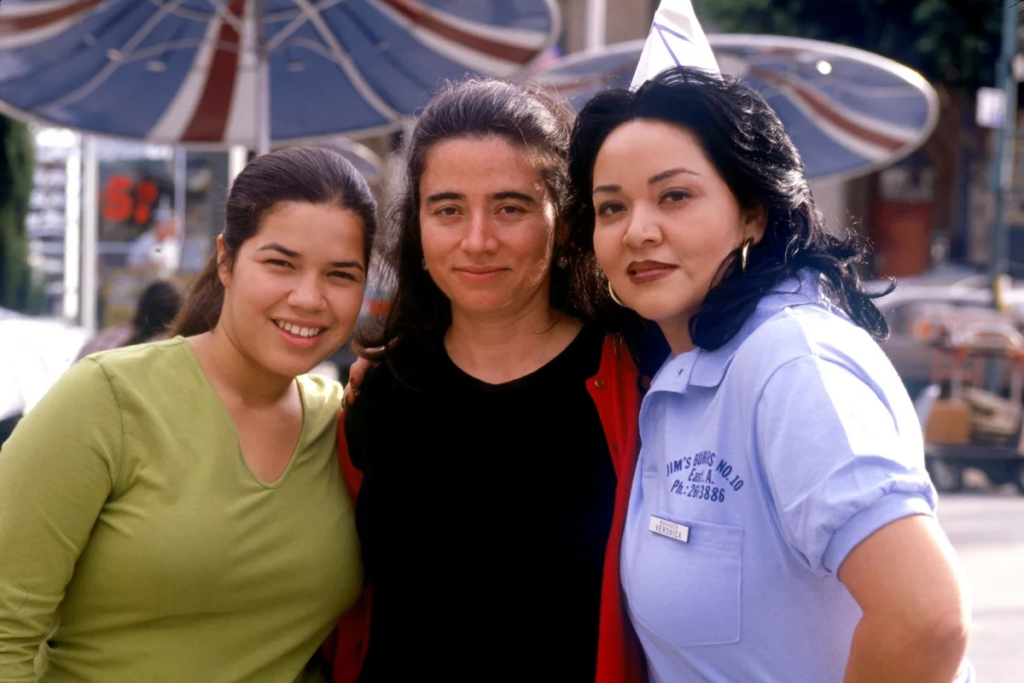
“Being fat became like a way to say F you to society,” says “Real Women Have Curves” writer Josefina López upon the film’s 20th anniversary.

From the reality of the American dream to mother-daughter relationships and generational trauma, tapping into different versions of yourself to examining the people we love and what they teach us—’Everything Everywhere All At Once’ will break you open and show you how beautiful chaos can be.