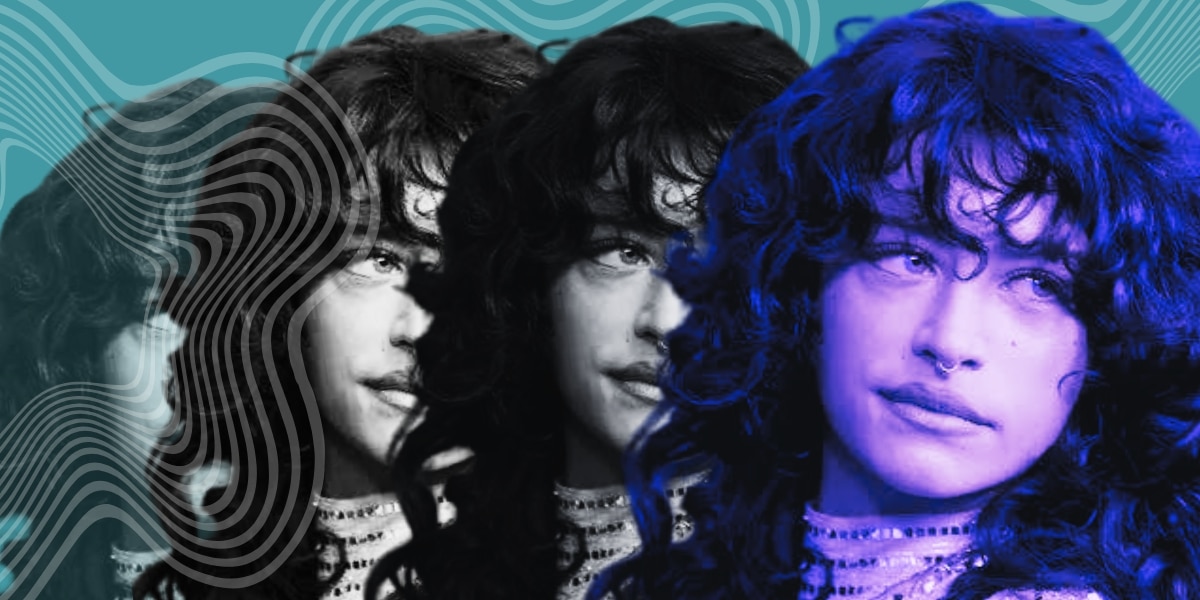
I might get some heat for this, but I’m just going to say it… The way we are going about the whole Odessa A’Zion casting in A24’s adaptation of the musical-centered romance, Deep Cuts, is not the way to go. Don’t get me wrong, I agree that the casting wasn’t right, but the way we are approaching it is not the road we should be taking.
A letter penned and signed by Latine film and TV powerhouses like Eva Longoria, John Leguizamo, Gina Rodriguez, Gloria Calderón Kellett, Jessica Alba, and Xochitl Gomez went viral shortly after A’Zion recused herself from the Deep Cuts role she was hired to play. In it, the authors and signees go on about how important it is to tell Latine stories accurately and fairly. They cite the abysmal lack of representation and opportunities for Latinos in major roles in film and TV, as well as the struggles that underrepresentation and misrepresentation cause.
Here’s the language in the letter: “We are calling for accountability, intentionality, and equity in casting and storytelling. Authentic representation means more than casting a performer who looks like the character; it means involving the communities being portrayed not just in front of the camera, but in the decisions that shape these stories from their inception.”
I agree, we absolutely should push for our community to have more access to the opportunities that have historically been denied to us. Who tells the stories matters just as much as the stories being told. Hollywood has a history of whitewashing and erasing Latine heritage from actors and roles alike, and that is exactly why we should be pushing for this particular role to be given specifically to a Mexican Jewish actress, not just any Latina. If we’re going to push for representation, then we need to understand the intersectionality of it.
The actress portraying Zoe Gutiérrez should be Mexican, absolutely, but she should be Jewish. We should be just as loud about that. Because yes, Mexican Jews exist. We have been here for a while, actually. But, despite our size and importance, Latin American Jewry has been relatively under-examined. Hollywood has chosen to ignore us, preferring instead to depict American or European Jews. Except for a few scattered instances, Latine Jews have been erased from mainstream film and TV, which is how we end up with people being so surprised when I tell them that I’m a Jew myself.
Yup. Like Zoe Gutiérrez, I’m a Mexican Jew. I’m a yenta (that means chismosa in Yiddish) as much as I’m a nosy chismosa. I eat latkes, bourekas, and gefilte fish, as well as tamales, quesadillas fritas, and tacos de pastor — con todo y salsa de la que pica. I have both an abuela and a bubbe (that’s Yiddish for grandma). I, like Zoe, am part of two peoples. Two communities inform my perception of life and how I move through the world.
For most, if not all, Jewish Latines, there is no separating the Latinidad from the Jewishness. I am as Mexican as I am Jewish – there is no way to isolate one from the other. I, like the character in Holly Brickley’s novel, would not be who I am if either bit of my identity were removed.
Because of the way this specific character was written in Deep Cuts, the role should go to someone who can understand both the Jewish and the Mexican (they’re more alike than one would think, by the way) aspects of the character. It’s that simple.
The letter signed by Latinos in film talks about the responsibility that comes with power, so this is my plea to them: please, use your power to make sure all Latine stories are told fairly and responsibly. If you fight for just the Latine bits you’re comfortable with, you end up replicating the very issue you’re trying to fight.
And on that topic, yes. The casting choice was problematic to say the least, but a year ago, it was Irish actress Saoirse Ronan who was set to portray Zoe Gutiérrez, and while I have my own theories about why that casting choice didn’t spark the outrage this one did, I’ll keep those to myself… For now.
It’s 2026. Actresses who aren’t Latinas should no longer be accepting roles for Latina characters — I’m sorry, I don’t buy A’Zion’s statement. With a name like “Gutiérrez,” how did she not realize the character is a Latina? In this day and age, “I didn’t know” is no longer a valid excuse. We’re all hyper-aware of not being offensive (either because we care about others or we care about not being cancelled), and if, as an actress, you don’t care enough to review the source material before accepting a role, you can at least ask ChatGPT for a summary of the book you apparently didn’t have time to read. Saying “I’m sorry, I didn’t know I was stepping on someone’s toes” doesn’t cut it.
Latine roles should go to Latine actors. It’s that simple. And Jewish Mexican roles should go to Jewish Mexican actors.
Casting choices in a film might seem trivial to some, especially those who already see themselves accurately depicted in the media they consume, but they’re not. What we see over and over becomes our reality.
And pretending that a person can be either Mexican or Jewish, but not both, as seems to be the case in the conversation around casting this role, is wrong. Wrong and lazy. Alexa Demie, Ariana Greenblatt, and Sara Paxton are right there, as well as many unknown actresses in search of their big break, I’m sure.
Ignoring the existence of Mexican and Latine Jews in the casting of Deep Cuts is not only a disservice to both communities but also a choice that could have some grim and serious real-life consequences if we let it happen. We cannot let it happen.
