Toy Story is back! I know many parents, myself included, were overjoyed at the opportunity to watch a new installment of the famed Pixar series with our children, not only because we grew up with it, but because the plot seemed so timely.
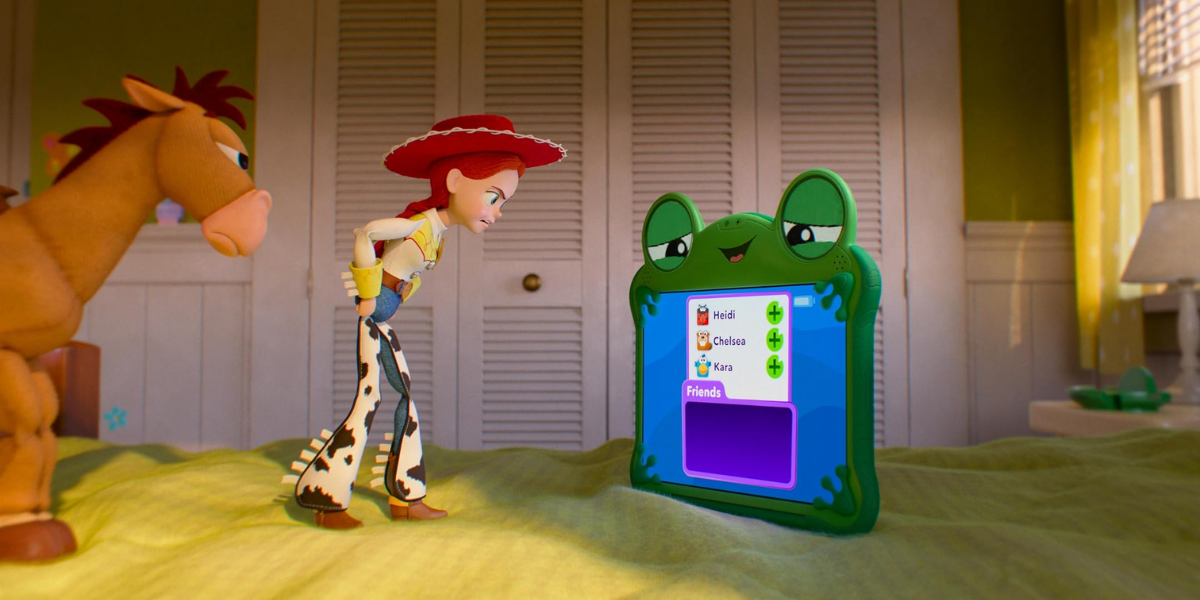
Previews for the film place tech front and center as the nemesis in its fifth installment. Bonnie (who, as of Toy Story 3, is the toys’ new owner) is completely oblivious to anything going on around her when she’s fully immersed in her Lilypad tablet. A concerned Jessie laments that she’s “losing Bonnie to this device.”
How will our heroes fare against a society-wide development that has so infiltrated every part of our lives?
I was intrigued with the premise, but more so impressed with the way the film addressed how the lack of parental oversight and excessive use of technology is the true problem rather than technology itself.
Early on in the film, we learn that Bonnie hasn’t been able to get her neighbors across the street to play with her, despite her best attempts. In an effort to help her connect with other kids her age, her well-meaning parents buy her a Lilypad tablet. Initially, it seems to work in the way that they intended. Bonnie joins a group chat of girls from her dance class and goes to a sleepover, expecting fun with friends.
Instead, she finds the first of many instances in which we see the problems when parents fail to supervise usage. Bonnie is excited when she arrives and brings Jessie along to play with at the sleepover. The other girls mock for still playing with toys – they’re all playing games on their tablets. An embarrassed Bonnie then decides to leave Jessie in her parents’ car and instead brings Lilypad, joining the rest of the zoned-out children tapping on their screens.
This moment stood out to me for a few reasons, first because it highlights the lack of connection that can so easily happen between people when we are fixated on our phones (all of us have experienced this). It also shows how infatuation with screens quickly rushes kids out of childhood norms. These kids are supposed to be eight years old! What do you mean they shouldn’t be playing with toys or using their imagination? If those options are gone, what’s left? More screen time?!
It’s a thoughtful and intentional choice by the filmmakers to show this group of girls being around each other but not actually spending time together. And although adults have never really played a significant role in any of the films, the lack of parental presence here is interesting given the circumstances. As parents, we control how much screen time our kids have. Additionally, time spent online can quickly turn ugly when we don’t pay attention to what our children are doing.
As the movie progresses, the same girls bully Bonnie online, even though they’re supposed to be her friends. By the time her mom realizes what’s going on and intervenes, Bonnie’s in tears. In the end, the same tablet that caused these problems helps Bonnie connect with someone who turns out to be a true friend and reunites her with some lost toys, proving that tech isn’t all bad.
This isn’t a new revelation. We know both good and bad come with technology, both for our children and ourselves. But the message feels different this time because it comes from our pals. Jessie, Buzz, Woody, and the rest of the toys have been there throughout the many seasons of our lives, offering lessons along the way. And in Toy Story 5, they’re asking us to notice and act on the role of technology in our lives. It may be their most important lesson yet.
