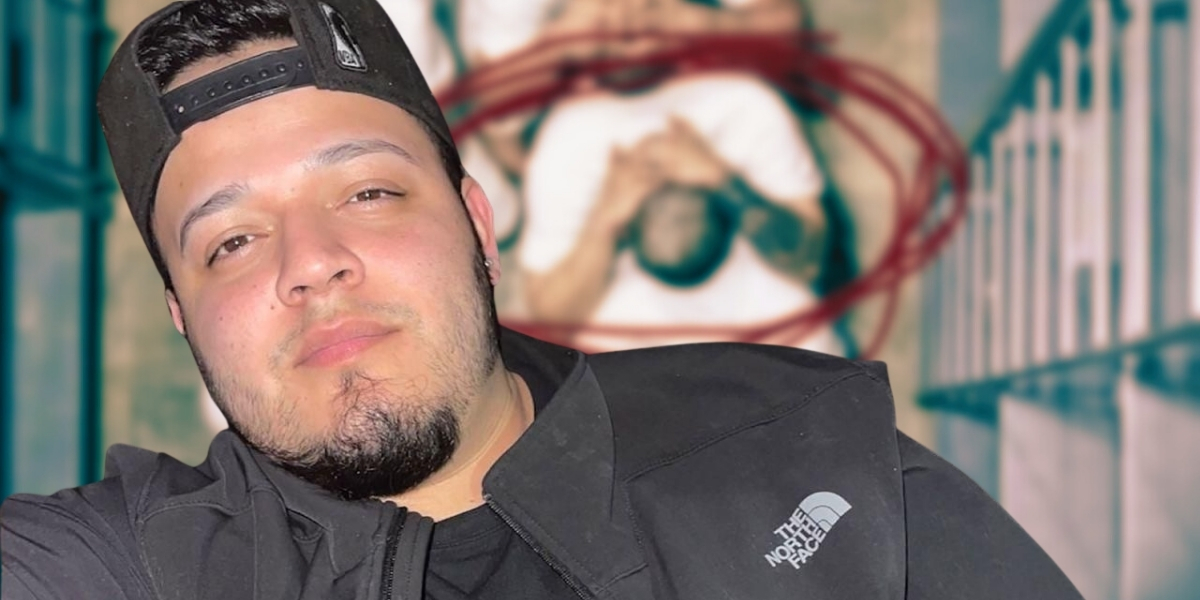
Kilmar Abrego García is a 29-year-old Salvadoran native who lived in Maryland with his wife and three kids for nearly 14 years. Last month, the Trump Administration unjustly deported him to El Salvador’s notorious mega-prison. His case has become a lightning rod in an emerging constitutional crisis that imperils the separation of powers, flaunts due process, and exposes mainstream media’s failure to hold this administration accountable.
First the facts. ICE removed Abrego García based on a 2019 complaint lodged by Maryland police, charging him with ties to MS-13. He denied the allegation and was never indicted. That year, a U.S. immigration judge stopped his deportation, ruling that he faced credible threats of persecution from the gangs in El Salvador. The Trump administration never appealed, de facto admitting his lawful presence until they chose to ignore the facts and what our legal system compelled them to do – leave Kilmar Abrego García alone.
In March, with no new charges and in brazen defiance of court orders, the administration deported him anyway. Officials described it as an “administrative error” but continued to refer to him as a gang member. In fact, they launched a messaging campaign attempting to frame the deportation as an achievement in national security.
Officials fixated on one baseless claim: that Abrego García was an MS-13 member. Press Secretary Karoline Leavitt stood alongside the mother of a murder victim at a press conference, framing support for Abrego García as a betrayal of public safety. On Twitter, the White House changed a New York Times headline to “MS-13 Illegal Alien Who’s Never Coming Back” and blacked out “wrongfully deported” in red. Salvadoran President Nayib Bukele also got into the action, tweeting that he had met with Abrego García and Senator Chris Van Hollen and was jokingly proclaiming that Abrego García had “miraculously risen from the death camps” and was now “sipping margaritas in paradise.”
Sources including ABC News, CBS News, and the Associated Press extensively covered Abrego García’s deportation and the related legal updates. But many early headlines gave top billing to the administration’s gang allegations without properly reporting that Abrego García had no charges or convictions. Fox News highlighted an old Homeland Security Investigations memo asserting gang affiliations and a possible human trafficking case, despite no charges. Such reporting – putting allegations first and burying exculpatory facts – helped create a distorted version of events.
When the media fails to challenge unfounded government claims, they are complicit in the problem. In Abrego García’s case, they’ve created a pervasive ignorance about the facts while normalizing civil rights abuses.
So what began as an illegal deportation has escalated into a broader constitutional crisis. The Supreme Court unanimously held that the government must facilitate Kilmar Abrego García’s return, noting that his expulsion was unlawful. However, the Trump Administration has continued to defy that order, and legal analysts and civil rights activists are sounding alarms that this defiance threatens the rule of law and sets a dangerous precedent.
This case is not about one man anymore. It is a test of whether courts can still check the presidency and whether journalism will continue to hold power accountable or allow those in power to twist reality.
Now we will see if our institutions – the courts, Congress, and the media – can stand up to Trump’s authoritarianism. So far, the courts have been firm: deporting Abrego García was illegal. But the administration continues to resist transparency and accountability.
At the same time, pressure in Congress is mounting. Four House Democrats – California’s Robert Garcia, Florida’s Maxwell Frost, Arizona’s Yassamin Ansari, and Oregon’s Maxine Dexter – traveled to El Salvador to urge García’s release and return. “ Rep. Garcia said in a statement, “While Donald Trump continues to defy the Supreme Court, Kilmar Abrego García is illegally detained in El Salvador after being unlawfully deported. That’s why we’re here – to remind the American people that kidnapping immigrants and deporting them without due process is not how we do things in America.”
The media coverage of the lawmakers’ trip to El Salvador reflected the polarized narratives surrounding Abrego García’s case. Outlets like the Guardian and Axios emphasized the delegation’s message about defending constitutional rights and due process, highlighting the Congress members’ criticism of the Trump Administration’s defiance of the Supreme Court order. Reuters presented the visit in straightforward terms, noting that the four Democrats arrived hoping to compel the Trump administration to facilitate Abrego García’s return. CBS News stressed warnings about an emerging constitutional crisis, quoting Rep. Garcia’s concern that the administration is undermining the separation of powers. Meanwhile, Fox News portrayed the trip in a sharply critical light, heavily focusing on the old Homeland Security allegations against Abrego García and suggesting he was involved in human trafficking. Fox also amplified Republican critiques, covering a National Republican Senatorial Committee ad that mocked the Democrats’ trip as a “tourism” stunt to visit a supposed gang member.
This visit follows a string of high-profile U.S. missions to El Salvador, including Secretary of State Marco Rubio, DHS Secretary Kristi Noem, and several Republican lawmakers who have openly supported the administration’s hardline immigration strategy.
The political, diplomatic, and legal battle over Abrego García’s future only rages on. But for the García family, it’s not politics – it’s bringing a husband and father home. As headlines mix truth with terror, one message is being transmitted the loudest to Latinos: the Trump Administration can take, silence, and erase us without any care for legal safeguards or even the reality of our histories.
As a Latina reporter whose grandparents immigrated to this country from Mexico and Central America, I am close to this story. I write it remembering the whispered stories in my childhood house – the dread, the crossing borders, the survival. I write about Kilmar Abrego García with the anguish of knowing that there are so many families one step away from being torn apart. And I write this story with the hope that if our courts won’t stand for Kilmar, and our government won’t stand for Kilmar, then we will stand up for Kilmar ourselves – and our neighbors, our storytellers, and our communities will join us. Because silence, in these moments, is complicity.
