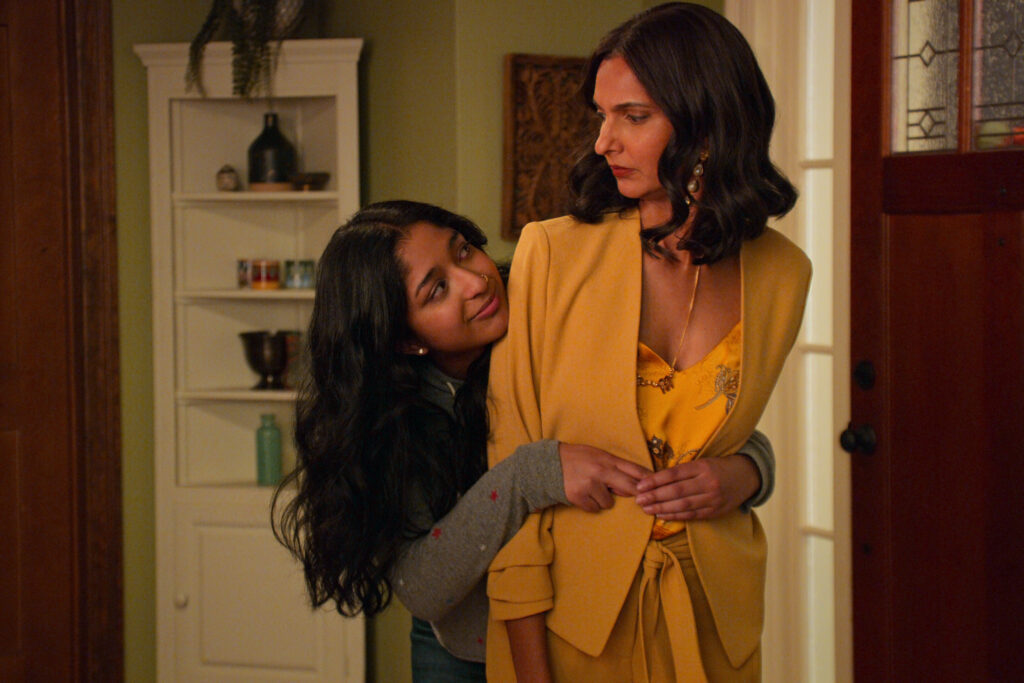
“Never Have I Ever” Taught Me How to Talk to My Mother
I never saw my particularly-fraught relationship with my Colombian immigrant mom represented, until I stumbled on “Never Have I Ever.”
I never saw my particularly-fraught relationship with my Colombian immigrant mom represented, until I stumbled on “Never Have I Ever.”
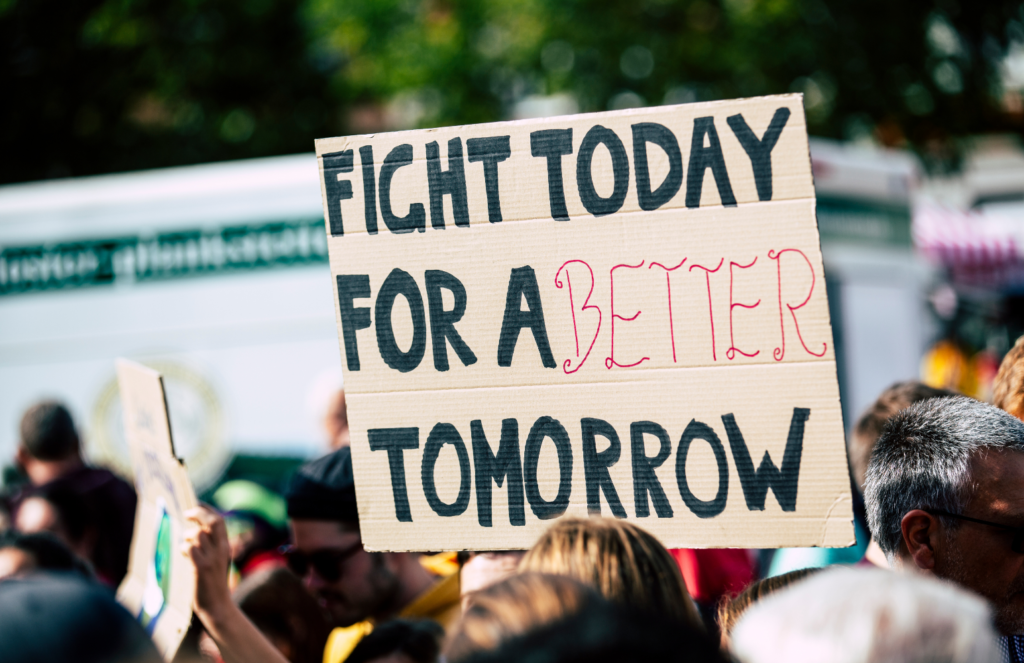
As studios try to control and exploit their (newly women, POC, WOC) staff, LatinaMediaCo co-founders talk why they’re supporting the strike.
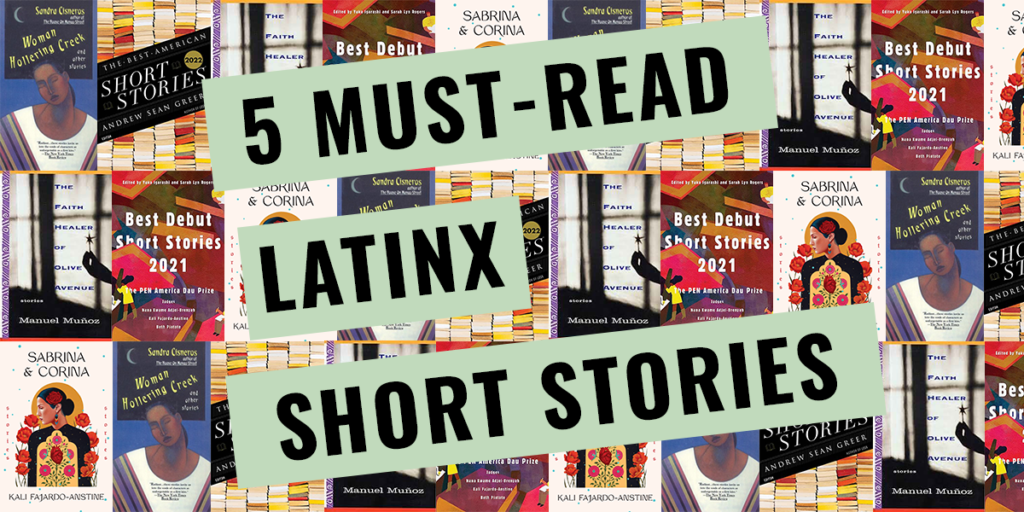
Short stories are somehow gatekept in the literary world and overlooked by the masses. Novels remain overwhelmingly the most popular way to consume prose—but I don’t see why it has to stay that way. Short stories give us everything that makes novels great—compelling characters, realistic dialogue, and vivid imagery—but in a tidier format. The most […]
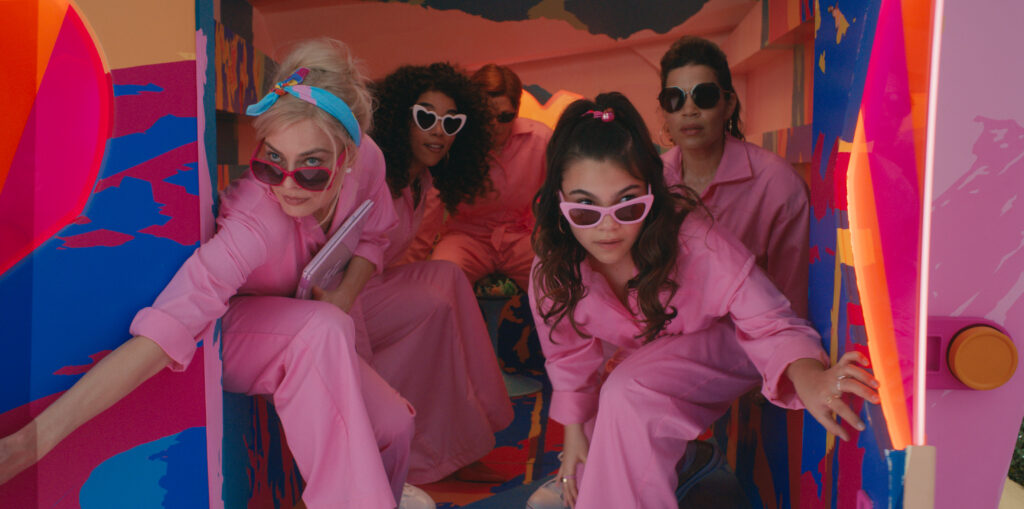
Both Barbies and telenovelas peaked at the turn of the millennium, leading to an implosion of feminine world-building for Latinas like me.

While we mourn the Supreme Court’s recent regressive rulings in #TheLatinaPress, we won’t let the backlash stop us.
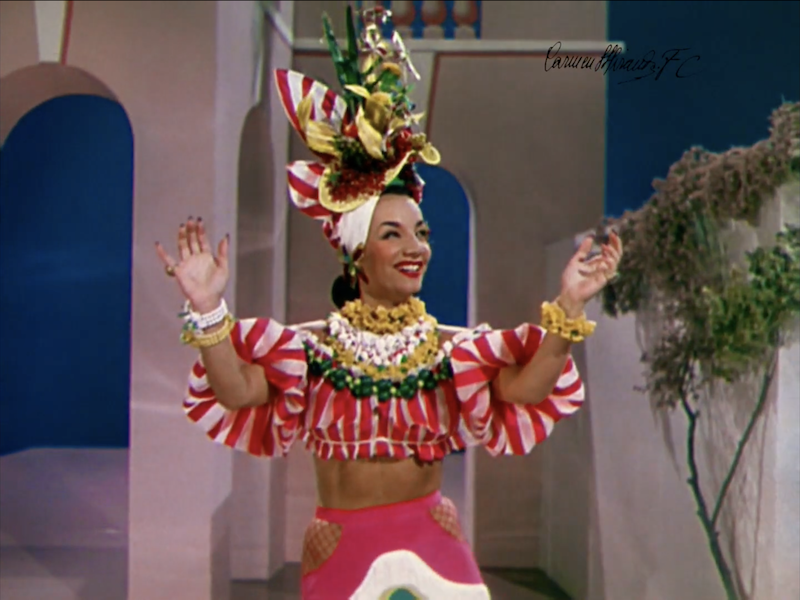
As far back as the 1930s and 1940s, Hollywood has been perpetuating Latino stereotypes, failing to care what we actually look and sound like.
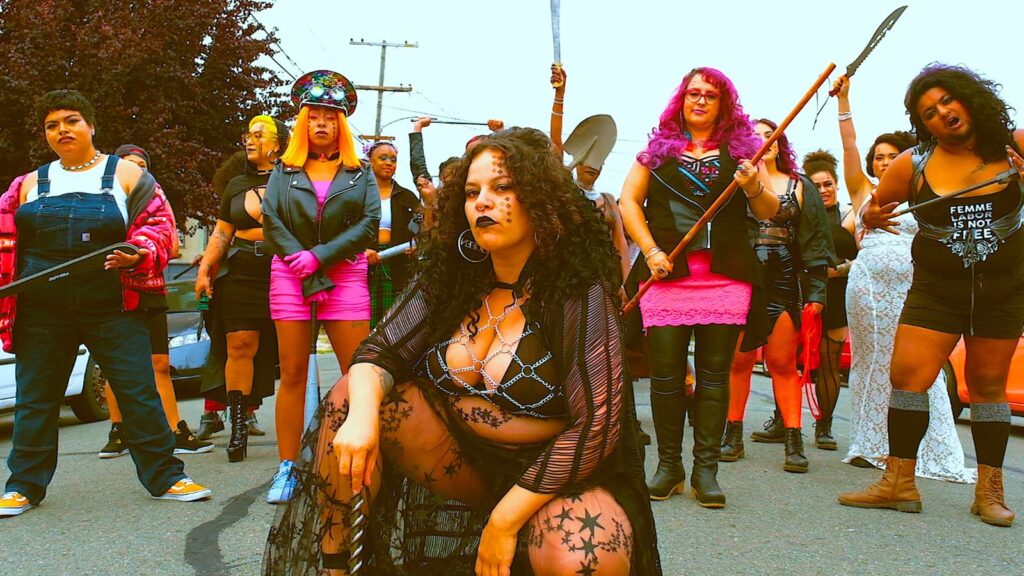
QWOC Film Fest walks with the integrity that follows two decades of honoring local legacies and the struggles of the global majority.
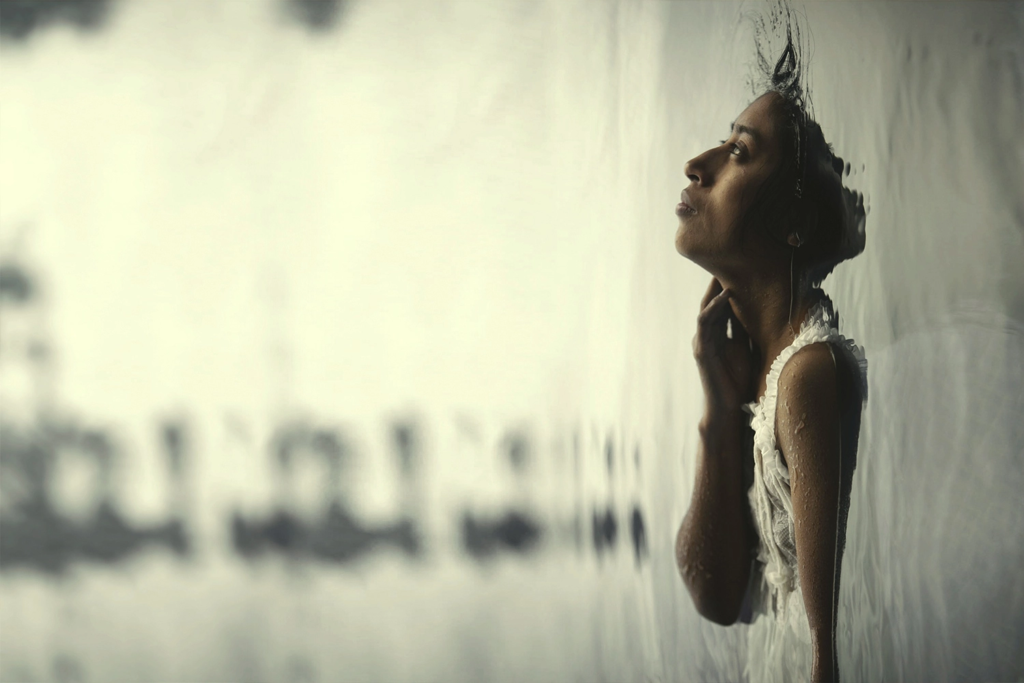
With oppression and amnesia as the status quo, “La Llorona” provides a counter-story to the narrative that Indigenous people are powerless.
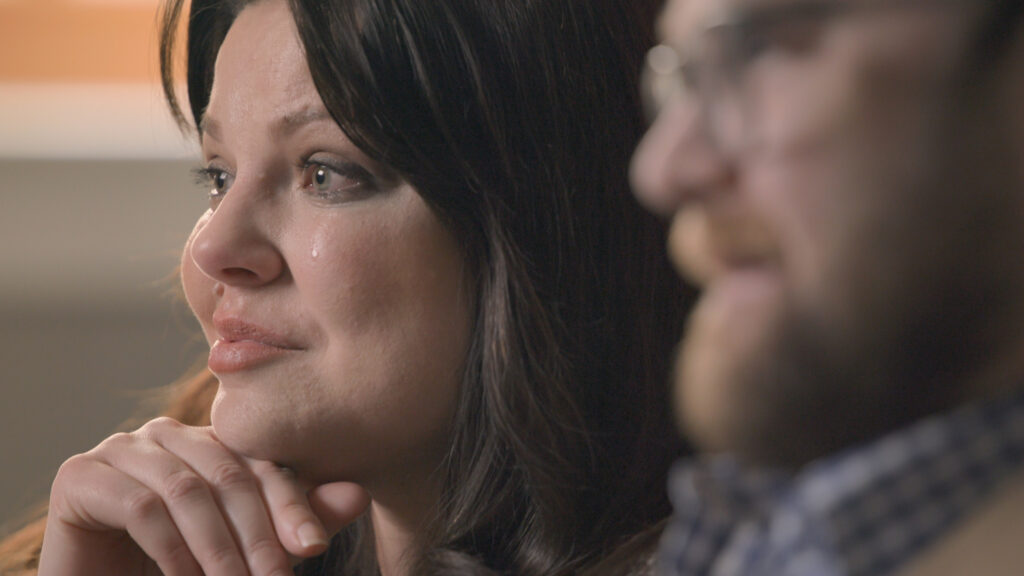
“Shiny Happy People” problematizes the Duggar family as entertainment, showing how Discovery+ normalized fundamentalist conservative values.
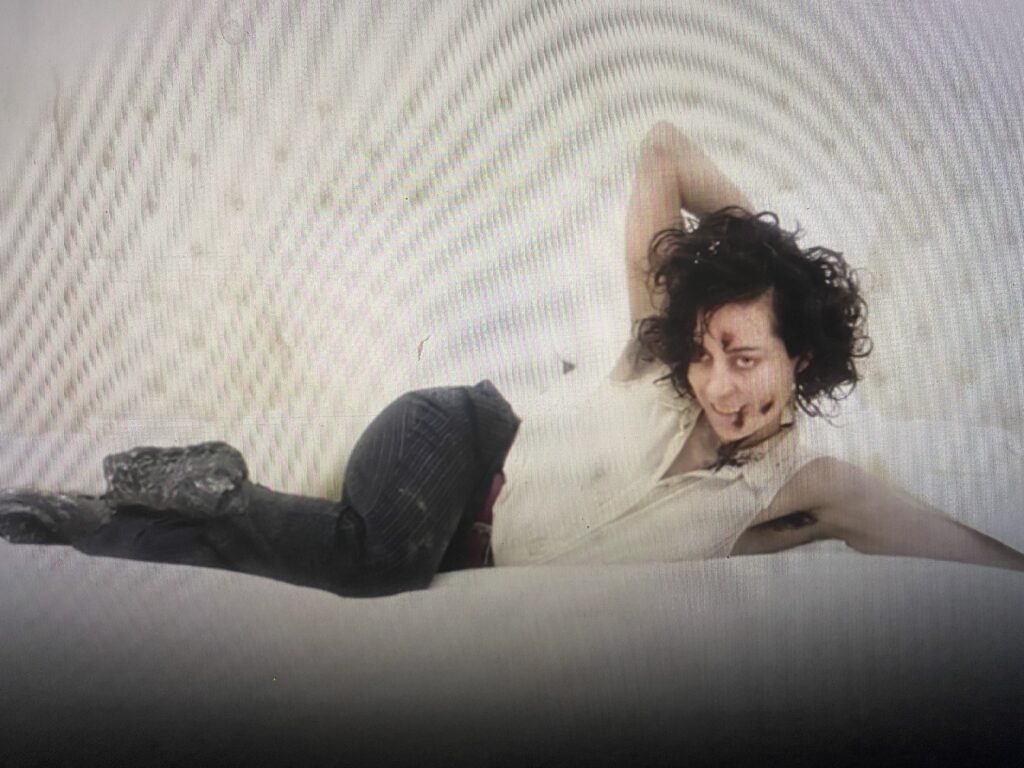
Hollywood positioning shaving as a staple of femininity and attractiveness is outdated and reductive. It’s time to cut it out. Pun intended.