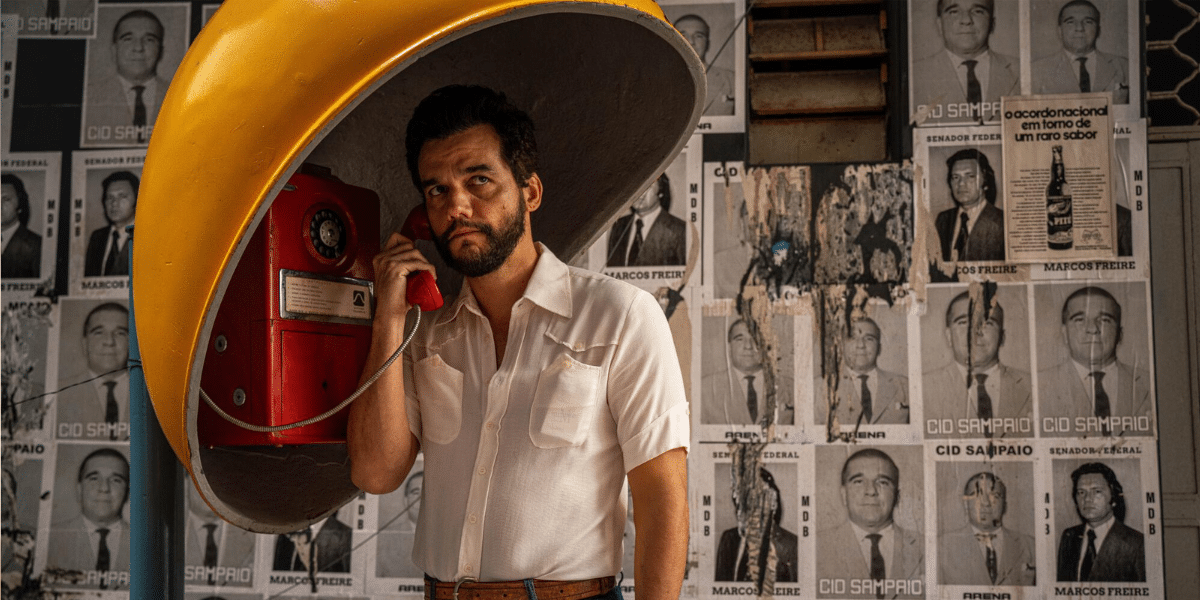
With the Brazilian film The Secret Agent in both the Best International Film and Best Film categories at the Oscars this weekend, I can’t help but think what a unique moment we are in. You see, Brazil has a long history with the Academy, even as our presence at the ceremony could be described as sparse. I’m talking decades between nominations – so Brazilians get to celebrate an Oscar night where we’re included like it’s a World Cup final.
But the paradigm has shifted. After Walter Salles’s I’m Still Here won the International statue in 2025, we’re back for a second year in a row.
Now, the Academy Awards’ official international films category goes back to 1956. It was then known as Best Foreign Language Film, and it is no surprise that for a lot of its history, most of the nominees (and winners) came from established European film hegemonies.
Only in the past two decades have films from other parts of the globe, including South America, begun to take center stage, sometimes even outshining the more “traditional” U.S. productions.
And I can’t help but ask: why?
For decades, Hollywood, with its profit imperative, ruled supreme. And while many filmmakers from the U.S. tradition – like Orson Welles, Billy Wilder, Stanley Kubrick, and Martin Scorsese – were key in developing what we today consider “cinema,” even they were often pruned by big studio executives’ financial expectations.
Nothing wrong with wanting a product to be financially viable! However, as many of the directors above have warned for decades, when films are no longer artists’ creations but a piece of content in a multilevel marketing project, people will grow tired of them.
The first Iron Man was a blast, and the first Avengers was a cultural moment. But after almost two decades of Marvel movies, TV series, web series, and endless amounts of AI slop a year, it’s difficult to care.
This is where international cinema swoops in. While the U.S. film industry focuses on profit, other countries are developing an audiovisual culture.
Take Brazil as an example. With oppression at home (e.g., the 1964 military dictatorship) and little investment available, Brazilian filmmakers recognized early on that their role is not just to entertain, but also to reflect and question the culture they were portraying.
These international films had something different to offer, but that wasn’t enough, at first, to get people out of their commercial movie-watching habits.
Yes, audiences are tired of formulaic narratives, but Hollywood’s attention machine is difficult to beat. After all, most international productions have budgets a third of the marketing line item for a U.S. summer blockbuster.
Indie filmmakers needed a way to circumvent, not overpower, Hollywood marketeers. They needed the modern internet.
In the early part of this decade, COVID-19’s isolation had cinephiles looking for ways to consume cinema outside theaters. Streaming platforms and apps like Letterboxd and TikTok became the place to look for new titles.
Film lovers began to realize they no longer had to rely on big studio announcements for their TBW lists. Now they could hear their favorite creator from the Philippines talking about an Argentinian film they watched at their city’s festival. But even more important, cinephiles had access to these films through streaming or VOD.
And these newly acquired viewing habits are visible during award season. Take a look at the 2026 run. In addition to U.S. films, like Sinners and One Battle After Another, there’s so much discourse around international fair, like The Secret Agent, Sentimental Value, It Was Only An Accident. And it also helps that the Academy has recruited more international members.
Slowly but surely, U.S. and otherwise audiences have transformed. Now the studios need to catch up. People are no longer watching just whatever is in theaters. They’re hunting for something different – unique movies that could only exist because of the filmmakers who created them. And international filmmakers, like the ones behind The Secret Agent, are doing just that.
