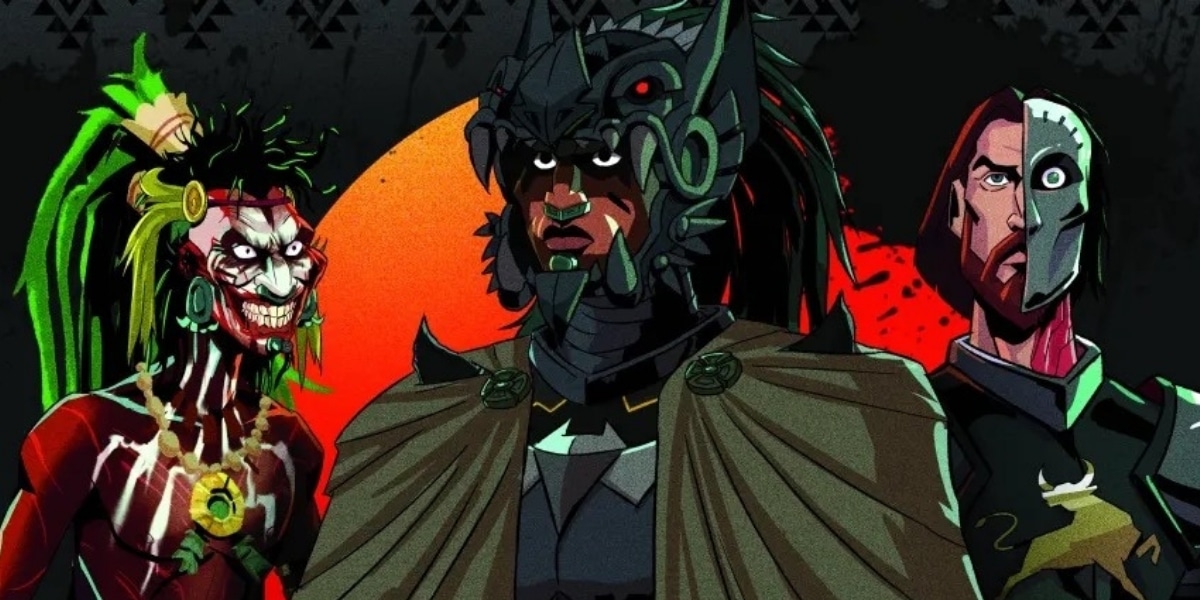
I don’t usually rent the latest Batman movie within days of its release, and I tend to prioritize drama and culture over action when selecting a film. But I love culture being used as a source of empowerment — and Aztec Batman: Clash of Empires is built entirely around that idea.
Aztec Batman was made by Mexican director Juan Jose Meza-Leon and features a cast of Mexican actors performing in Spanish, with an English-dubbed version for non-Spanish-speaking audiences. Mexican culture is shaped by European, Indigenous, and African influences. But in Aztec Batman, the Indigenous roots are on full display.
The film features the voice talents of Horacio Garcia Rojas as Yohu. Americans would know Garcia Rojas best from the Netflix series Narcos: Mexico. Alvaro Morte voices Hernan Cortes, and Omar Chaparro plays the role of Yoku.
The plot revolves around a simple conflict between Yohu, an Aztec teenager whose father is killed early on by the conquistadores, and Hernan Cortes, the conquistador who took over modern-day Mexico. Cortes is portrayed as motivated primarily by his Catholic faith, but the conquistadores also express interest in the riches of the Aztecs.
Comic books and films often comment on current issues through their chosen themes. Aztec Batman is a clear step toward combating cultural erasure.
Culture as Empowerment
The Aztec Empire has a significant place in Mexican culture, so it should come as no surprise that a Batman film by a Mexican director centers the Indigenous story. Mexico’s national flag contains an eagle with a snake in its beak, an image inspired by the creation myth for the island of Tenochtitlán. The very name of the nation is derived from the Mexica, the ethnic group to which the Aztec leaders belonged.
An Aztec historian advised the filmmakers, and the film’s Indigenous references line up with the truth. Historically in Aztec culture, bats symbolize discipleship and teaching. In this sense, the Batman story is a perfect fit to tell a tale of Aztec resistance. The story begins with Yohu expressing anger toward the bat god, who is honored with an altar in the family home. He blames the bat god for the death of his mother several years ago.
The Aztecs are portrayed as a civilization that, while not centered around the military, still prepared for battle. When Cortes and his ships arrive, the Aztec men are practicing military maneuvers by the Gulf of Mexico. At the same time, you also see thriving commerce in the city.
Most modern historians agree that the bloodthirstiness of the Aztec Empire is overemphasized. While there is one reference to human sacrifice, it does not dominate the plot.
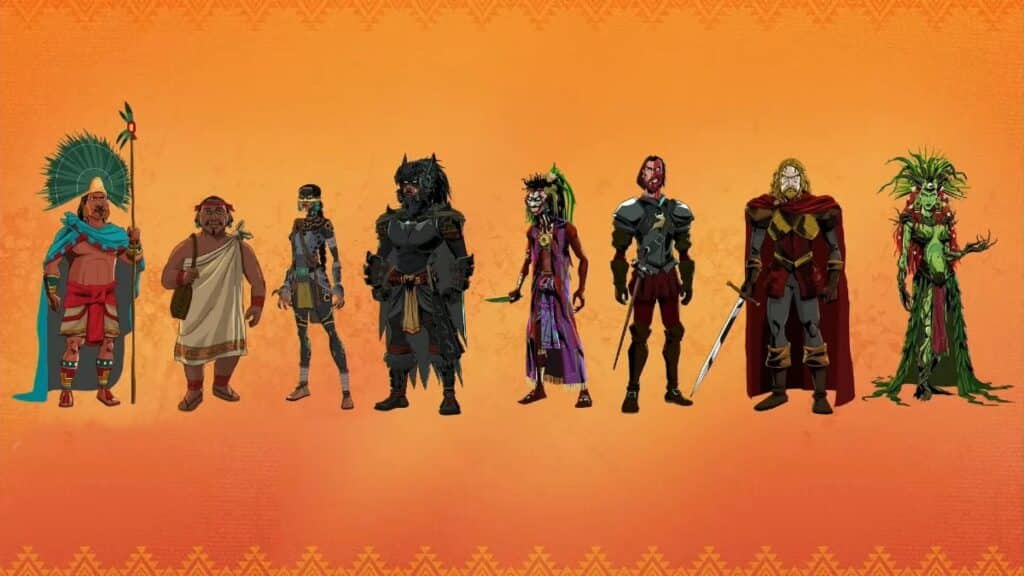
Cortes originally presents himself as wanting to form relationships with Aztecs, yet soon the Aztecs realize he does not have their best interests at heart when the conquistadores kill Yohu’s father. Once it is obvious that the conquistadors will destroy the Aztecs if they do not submit, Yohu is ready to step into leadership.
Criticism
Perhaps not surprisingly, considering that the Spanish government took until this October Spanish government took until this November to acknowledge their atrocities toward Indigenous Americans, this film has been controversial in Spain.
Last summer, in anticipation of the film’s release, Spanish social media was aflame with criticism of the movie. As reported by El Pais, Spaniards accused the film of “Hispanophobia” and tied it into the Black Legend theme of anti-Spanish, anti-Catholic propaganda. The Black Legend goes all the way back to the 16th century, when Protestant nations like England depicted the Spanish as exceptionally bloodthirsty for their time due to the atrocities committed in the Americas.
This is an inaccurate depiction of the movie’s message. Yes, it is true that other European powers also committed terrible sins in the name of God, national glory, and riches. That does not change the fact that Spain deserves to be held accountable. Recently, the Spanish foreign minister expressed regret for the “pain” caused by the Spanish during conquest, according to El Pais. This falls far short of an apology or concrete reparations, of course.
If we cannot count on imperial powers to apologize for their wrongs, let alone provide reparations for them — speaking out is a necessity. Artists have a role to play in this process. This is a pro-Indigenous film, not an anti-Catholic one.
The end of the film — both hopeful and depressing — leaves many options for future storytelling. Meza-Leon expressed interest in a sequel during an interview with the Temple of Geek YouTube channel. I hope that if a sequel is done, he shows how truly diverse the conquistador armies were.
The historical reality is that the conquistadores had neither the money nor the military superiority to defeat the Aztecs. Cortes relied on many Indigenous soldiers to help him conquer Tenochtitlan for example. Conquistadors also had many African soldiers, both free and enslaved, in their militaries.
That said, strict historical accuracy might make the story more complicated than a DC Comics movie is designed to explore. I can’t imagine DC Comics setting this sequel in the middle of the smallpox epidemic that really caused the decline of the Aztecs.
Maybe you are looking for a simple entry point to recommend an Indigenous-centered film to a friend. Certainly there are movies that explore indigenous history more in-depth — in particular, I’m thinking about Apocalypto, the 2006 epic film about the waning days of the Mayan Empire that is rife with its own historical inaccuracies.
But maybe you’re concerned about recommending anything by its director, Mel Gibson. Or maybe you don’t want to see realistic depictions of human sacrifice. Aztec Batman could be the film that you show your friend. While it does have violence, the familiarity of the Batman story could give them a familiar entry point to learning more about Indigenous resistance.
If familiar pop culture can be reimagined to center indigenous resistance and survival, what other stories might still be waiting to be told?
