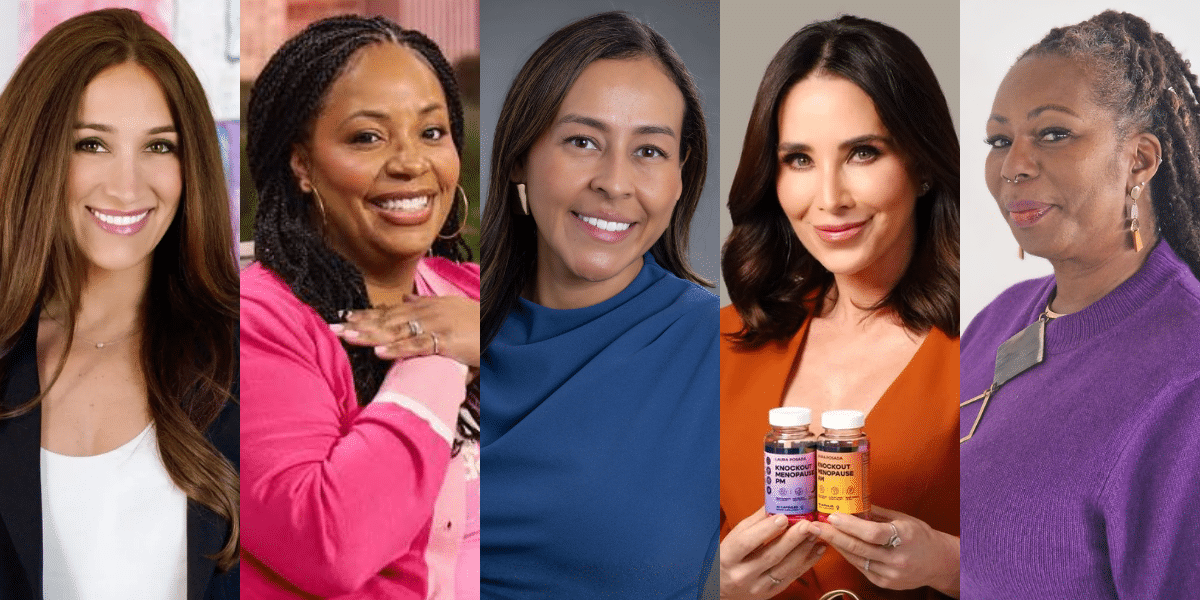
If you knew that your health – and life – as you know it was going to be upended for 4 to 14 years, you would want to know how to navigate that, right? Well, for millions of women, trans people, and nonbinary people around the world, that’s what happens when perimenopause pops up, usually in our 40s, but sometimes in our 30s. And we’re expected to just deal with it, quietly, without any support. But these Black and Latina women are changing that by creating menopause resources by and for us.
We may be known for being strong and resilient, but that doesn’t mean we have to suffer needlessly. Perimenopause and menopause can wreak havoc on our physical, mental, and emotional health – and it’s often worse for Black and Latina women. But there are ways to not only survive this time in our lives, but to thrive.
Thankfully, our culture is changing – and everyday people are speaking up about menopause, doctors are starting to pay attention, and authors, techies, and influencers are creating resources as quickly as those pesky chin hairs sprout up. We want you to shine during this beautiful time in life, so here are seven amazing menopause resources – created by Black and Latina women – that our ancestors would have loved.
Dr. Erica Montes, M.D, FACOG, a.k.a. The Latina Gynecologist
While many doctors have been dismissing menopause symptoms for decades, telling women it’s “all in their heads,” there are others like OB/GYN Dr. Erica Montes, who advocates for women in midlife. Known as The Latina Gynecologist, Montes is a menopause specialist who shares information on Instagram on perimenopause symptoms, hysterectomies, fibroids, and the other midlife health questions women commonly need to navigate, too often without enough information.
Melani Sanders’ We Do Not Care Club
One of the best things about getting older is that you care less about what the world thinks of you. Add in menopause and we really stop caring. Melani Sanders, founder of the We Do Not Care Club has hilariously taken this sentiment and made millions feel empowered about not having it all together. Whether it’s in her New York Times Bestseller handbook, social media, website, or television appearances (including one next to fellow Menopause Warrior Halle Berry), Melani is making us laugh, creating community, and reminding us that we are not alone on this hormonal rollercoaster.
Perry
You probably have a dozen apps for making your life easier. Why not have one that will help make perimenopause more manageable? Laura Okafor created The Perry app to serve as a hub for education, community (60,000+!), finding a provider who can finally help you, and more. On it, you can read an article on “How to Prepare for Menopause in Your 30s,” listen to a podcast episode on “Hormone Therapy After 60,” watch a short video that explains why the heck you are waking up at 3 a.m., and a whole lot more.
Kala App
If there are limited resources for women in the U.S. dealing with menopause, imagine how left out our solely Spanish-speaking hermanas feel. Created by Chilean Talia Leibovitz, Kala is a Spanish-language app that helps women gain more control over this often disorienting life process. With Kala, you can log your symptoms and get personalized reports to help you find proper medical care. The app also offers programs and courses to help you better understand what you’re experiencing and connect with other women.
Black and Menopausal: Intimate Stories of Navigating the Change edited by Yansie Rolston and Yvonne Christie
Menopause can feel like such an isolating experience with its confusing and even embarrassing symptoms. That is why speaking up matters so much. It fosters community and normalizes our experiences. Which is why the anthology Black and Menopausal is so valuable. Edited by Yansie Rolston and Yvonne Christie, it features several awesome Black writers creating community together. The book features Black menopause stories told through the additional filters of different backgrounds, gender identities, and more.
Laura Posada
Studies show that Black and Latina women go into menopause and surgical menopause around two years earlier than white non-Latinas and have more intense symptoms for longer. Puerto Rican Laura Posada experienced 35 perimenopause symptoms, hitting menopause at 46 and finding life as she knew it completely changed. She had to change along the way to adapt and thrive – and she decided to share what she learned with others by becoming a menopause coach. Laura wrote the book Knockout Menopause: The Guide for Today’s Woman and even created her own line of supplements.
Millennial Menopause: Preparing for Perimenopause, Menopause & Life’s Next Period by Lauren A. Tetenbaum LCSW, JD, PMH-C
One thing about millennials and Gen X going through menopause is that we are not shy about demanding that someone tell us what the heck is going on! After generations have suffered in silence, we refuse to do the same. Books like first-generation Cuban-American Lauren Tetenbaum’s Millennial Menopause answer the endless questions that come up with “the change.” Chapters include “Women’s Healthcare in American Culture,” “How Can Millennials Prepare for Menopause?,” and “Perimenopause at Work.”
